O nepopierateľnej neomylnosti gúglovského vševedúceho infoboxu

Ako ďalší dôkaz neomylnosti Gúglu (čo trochu súvisí aj s mojím predchádzajúcim postom o záhadach vikipédie) nech svedčí tento výsledok:

1 Večne mladý zakladateľ Bronxu
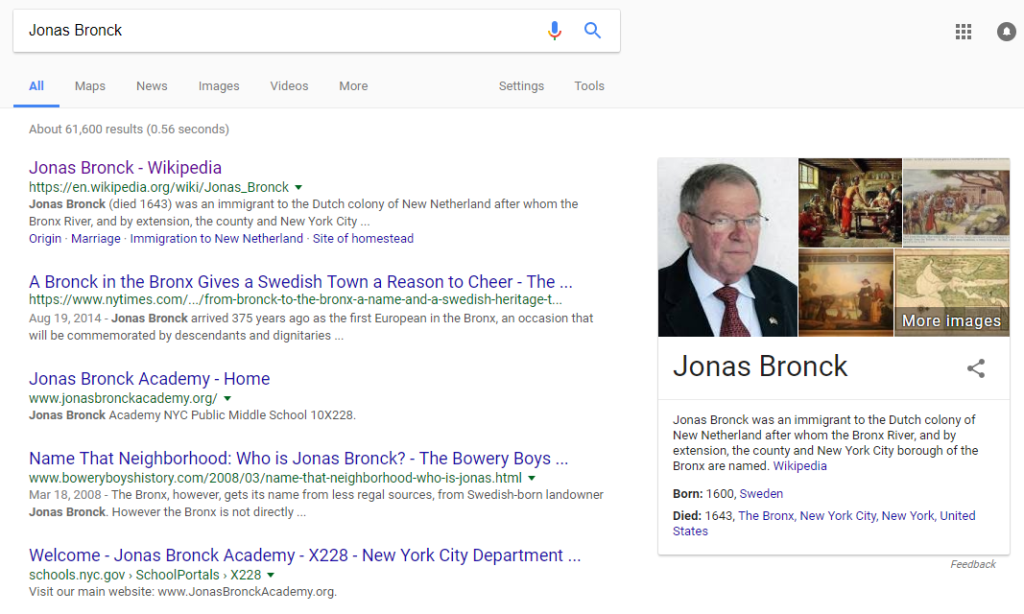
Google hodil popis z vikipédie, ale dal fotku Curta Wrigforsa, predsedu Centra Jonasa Broncka (podľa ktorého je, mimochodom, pomenovaný newyorský Bronx) vo švédskej usadlosti Sävsjö, neďaleko Bronckovho rodiska. Skrínšot je z roku 2017, 2-3 roky po publikovaní článku, z ktorého je tá fotka (teraz je to už opravené).

2 Wen Đia – čínsky maliar alebo stolný tenista?

Na to, že žil v 16. storočí, tak mu niekto spravil skutočne realistickz vzyerajúci portrét. Šiškin šuvix.
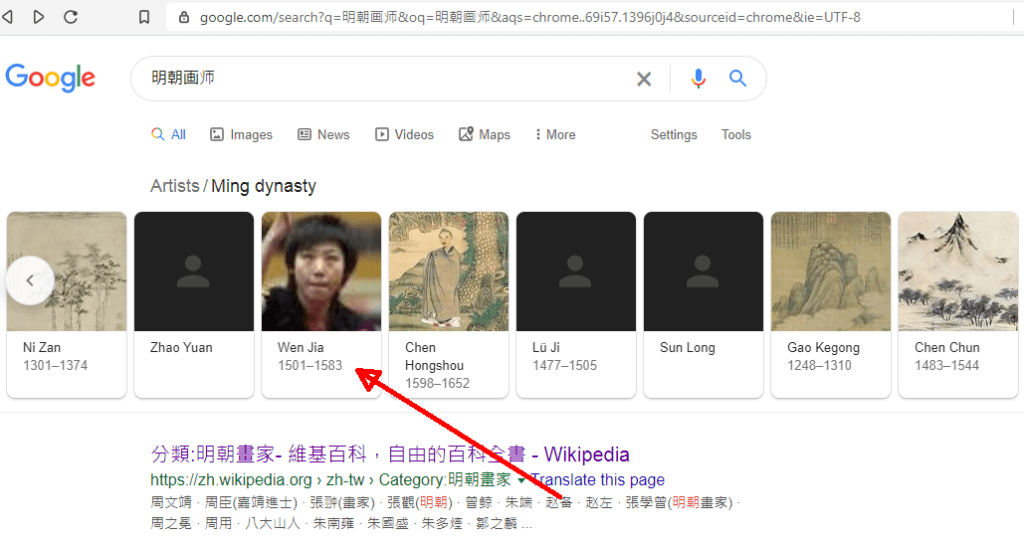
Ak je to autoportrét, tak musím uznať, že bol skutočne zručným umelcom.
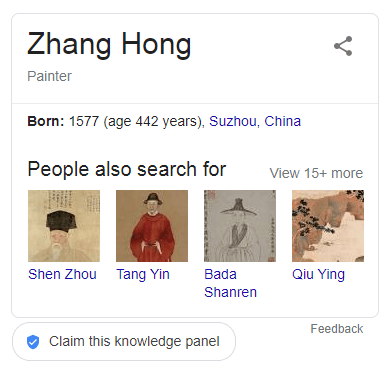
3 Džang Hong zvečnil nielen iných, ale zjavne aj samého seba

Hovorí sa, že päťtisícročná čínska kutlúra vo nie máločom predbehla západnú civilizáciu často až o storočia. A zjavne ako prví vymysleli aj elixír dlhovekosti, čo sa anglo-saským vedcom dosiaľ nepodarilo (a bohužiaľ ani tým slovanským, keď už sme pri tom):
4 Keď Google považuje každú bodku za ukončenie vety
5 Andrea Rossi
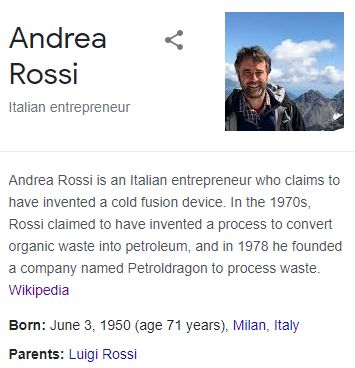
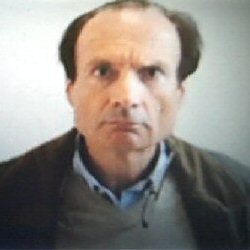
Toto nie je ten Andrea Rossi. Andrea Rossi, o ktorom Google paneli píše, je čiastočne strelený taliansky vynálezca. A keďže vo všeobecnosti platí, že čím bláznivejší je vynálezca, tým má neupravenejšie háro, tak len toto môže byť čiastočne strelený taliansky vynálezca:
6 Point Pleasant

Google by mal trošku koordinovať infobox s fotografiami alebo výsledkami vyhľadávania, lebo často sa stáva, že ľavá ruka strana nevie, čo robí pravá.
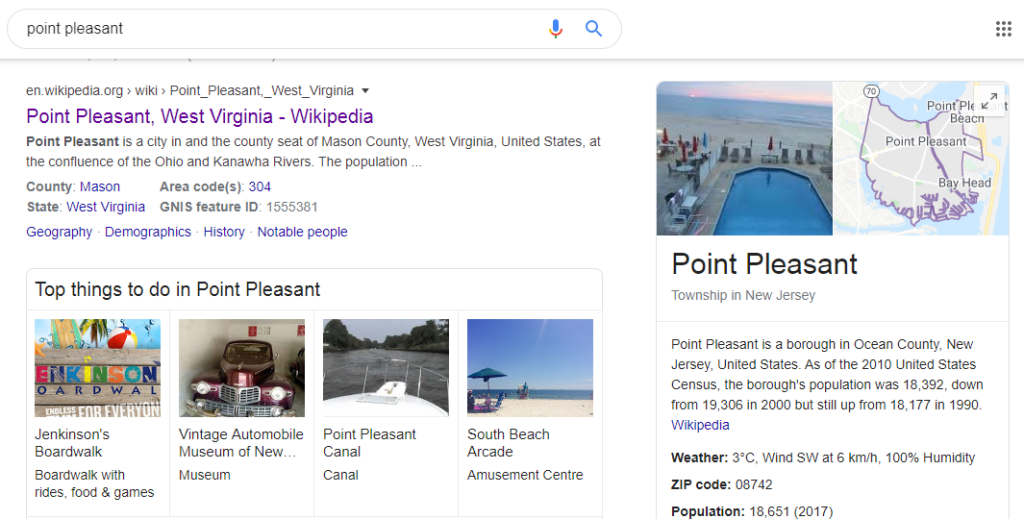
Ale dobre vedieť, že v Amerike sú aspoň dve príjemné miesta.

Mysteries of Wikipedia

However, rest assured that it is not just Google that is invariably unerring; Wikipedia, the champion that is so uncannily immune to shortcomings, presents its own case of colorphotographitis.

1 The presumable case of identical twins filenames

The story begins with James Duckworth, an English businessman and MP… wait, wait, what am I doing? No-one in their sane mind is interested in certain Mr Duckworth! OK, OK, I promise it will most definitely be short. The only thing that matters is that there is his contemporary photo:

Continue reading “Mysteries of Wikipedia”

On the virtual infallibility of Google’s omniscient knowledge panel

A few more pieces in the endless mosaic of proofs of Google’s infallibility:

1 The Curious Case of Jonas Bronck

Google offered a standard, run-of-the-mill description (text sourced from Wikipedia), but assigned to this infobox a contemporary photograph of certain Mr Curt Wrigfors, the chairman of eponymous Jonas Bronck Centre (of Bronx fame) in Swedish settlement of Sävsjö, not far from Mr Bronck’s actual birthplace. The screenshot was taken in 2017, some two to three years after an article with Mr Wrigfors’ now most famous mug had been published (presently it is fixed, though).

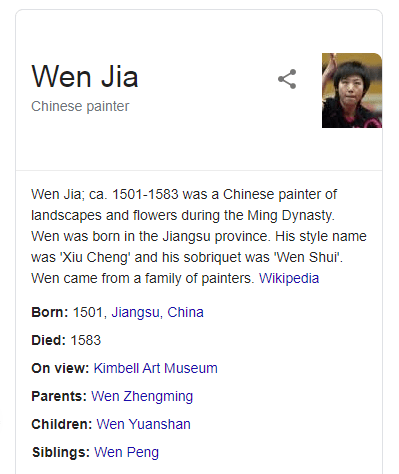
2 Wen Jia, a Chinese painter-cum-table-tennis-player

And that’s not all. Certain Mr Wen Jia should not have had a color picture taken, I assume:

Let’s take a closer look at the by-now-infamous Google knowledge panel:

3 The case of Zhang Hong, another painter who immortalized not only his subjects

I guess the Chinese were indeed lightyears ahead of the West. Printing press, gun powder, glasses, color photography… What else? Oh, I got it! Longevity:

I’d like to claim that knowledge panel, please!

4 When Google thinks every dot signifies the end of a sentence

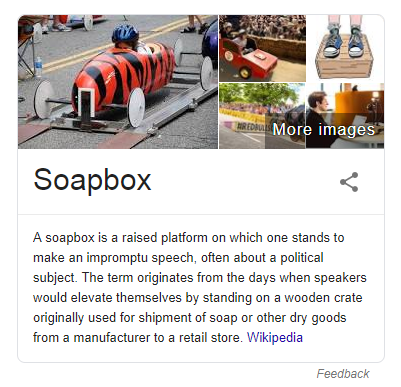
5 Soapbox

Now, Google should make up its mind:

Do they mean ‘soapbox‘ as in a motorless vehicle propelled by gravity, which is raced on a downhill road, as evidenced by the picture, or do they perhaps mean ‘soapbox‘ as a crate used as a makeshift stand or a raised platform on which a public speaker stands to make an impromptu speech, often about a political subject, as evidenced by the description?

6 Andrea Rossi

That is not that Andrea Rossi. Andrea Rossi of that knowledge panel is a slightly crazy Italian inventor. Remember, dear children, the scientific law № 1: Insane inventors invariably possess hair tousled irreversibly in proportion to the degree of their lunacy.

As evidenced by this picture.

7 Point Pleasant

On the subject of Google making up its mind deep mind:

So which one is it? The one in New Jersey or the one in West Virginia?

Skloňujeme s ChatGPT VI

Obsah

  1. Cukor

Cukor

Píše sa “v cukre“, alebo “v cukri”?

Správne píšeme “v cukri“. V slovenskom jazyku, slovo “cukor” patrí do skupiny podstatných mien ženského rodu a v 6. páde sa skloňuje ako “v cukri“.

Ale DeepAI napísalo, že v cukre.

Je možné, že DeepAI, ako aj každý iný strojový prekladač alebo nástroj na spracovanie jazyka, občas môže spraviť chybu pri spracovaní alebo preklade slova. V slovenskom jazyku sa správne píše “v cukri“, ako som už spomenul.
No konečne si stojíš za slovom. Ale len keď ťa konfrontujem s kolegom 😀

Výraz “v cukre” by bol správny len vtedy, ak by sa jednalo o zvláštny prípad, napríklad keby sme hovorili o cukroví a chceli by sme povedať, že sa nachádza v krabičke alebo v taštičke s nápisom “cukor”. V tomto prípade by sme použili výraz “v cukre”.

Cukor nie je ženský rod, cukor je ten, ty ťuťmák!

Continue reading “Skloňujeme s ChatGPT VI”

ChatGPT does Math I

What are the next three numbers in sequence 1,3,4,7,11?

The given sequence does not seem to follow any obvious arithmetic or geometric pattern. However, we can still try to find a pattern or rule by looking at the differences between the numbers:

  • The difference between 3 and 1 is 2.
  • The difference between 4 and 3 is 1.
  • The difference between 7 and 4 is 3.
  • The difference between 11 and 7 is 4.

The differences themselves do not form a consistent pattern, so we cannot use them to predict the next numbers in the sequence. Therefore, it is difficult to determine the next three numbers in the sequence with certainty.

However, one possible pattern that can be observed is that the differences between the terms are increasing by 1, starting from 2. Based on this pattern, we can predict the next three numbers in the sequence as:

Continue reading “ChatGPT does Math I”

ChatGPT sa pokúša logicky uvažovať I

Zeno vs. Aristoteles

Aký je rozdiel medzi Zenovým paradoxom o Achillovi a korytnačke a Aristotelovým paradoxom?

Aristotelov paradox sa týka pohybu na nekonečne malých vzdialenostiach. Zastáva názor, že v každom okamihu je potrebné, aby prejdená vzdialenosť bola nekonečne malá. Tým pádom tvrdil, že pohyb nie je možný.
Eh?

Zenov paradox o Achillovi a korytnačke sa týka pohybu na nekonečne veľkých vzdialenostiach.
Eh??? Chytil si sa do vlastnej siete, ChatGPT.

V tomto prípade sa korytnačka môže pohybovať pomaly a Achill by ju mal dobehnúť. Avšak, keď korytnačka niekde je, Achill musí prejsť určitú vzdialenosť, aby sa k nej dostal, zatiaľ čo korytnačka sa posúva ďalej. Keď Achill prejde túto vzdialenosť, korytnačka sa opäť pohnula o nejakú malú vzdialenosť a tak ďalej. Zenon tvrdil, že toto môže byť donekonečna a teda pohyb nie je možný.

V Aristotelovom paradoxe potom vystupuje Paris a Medúza?
Treba využiť, ak už je ChatGPT v tej kreatívnej ráži

Continue reading “ChatGPT sa pokúša logicky uvažovať I”

Chat GPT počíta úlohy z fyziky I

Obsah
  1. Dva vlaky
  2. Dva vlaky a mucha
  3. Zameňme muchu za kolibríka

Dva vlaky

Vlak ide rýchlosťou v1 = 72 km/h. Cestujúci, sediaci vo vlaku, pozoroval, že v opačnom smere prešiel na druhej koľaji vlak dlhý l = 75m za 3s.
Vypočítaj rýchlosť tohto vlaku.

Zadanie problému v slovenčine znie:

Vlak ide rýchlosťou v1 = 72 km/h. Cestujúci, sediaci vo vlaku, pozoroval, že v opačnom smere prešiel na druhej koľaji vlak dlhý l = 75m za 3s. Vypočítaj rýchlosť tohto vlaku.

Pre výpočet rýchlosti druhého vlaku môžeme použiť vzťah pre relativnú rýchlosť dvoch pohybujúcich sa objektov. Ak označíme rýchlosť prvého vlaku ako v1 a rýchlosť druhého vlaku ako v2, potom relativná rýchlosť druhého vlaku voči prvomu vlaku je v = v1 + v2, ak oba vlaky idú v opačnom smere.

Continue reading “Chat GPT počíta úlohy z fyziky I”

ChatGPT trumps Shakespeare

Poems

What rhymes with room?

There are several words that rhyme with “room,” including “doom,” “fume,” “gloom,” “tomb,” “womb,” and “zoom.” Here are a few examples of sentences using these words:

  • The air was filled with the smell of fume.
  • She felt a sense of doom
    as she entered the dark tomb.
  • He zoomed
    through the city on his motorcycle.
  • The baby was nestled safely in its mother’s womb.

I hope this helps. Let me know if you have any other questions or if there’s anything else I can assist with.

And roomba?

Continue reading “ChatGPT trumps Shakespeare”

ChatGPT destroys Gordon Ramsey I

Contents

  1. Gluten-free bread
  2. Eggs benedict
    1. Origin story

Gluten-free bread

Give me a recipe for gluten-free bread.

Answer 1: Sure, here is a simple recipe for gluten-free bread that you can try at home:

Ingredients:

  • 1 cup of brown rice flour
  • 1/2 cup of tapioca flour
  • 1/2 cup of sorghum flour
  • 1 teaspoon of xanthan gum
  • 1 teaspoon of baking powder
  • 1 teaspoon of salt
  • 1 tablespoon of honey or maple syrup
  • 2 eggs, beaten
  • 1/4 cup of melted coconut oil or unsalted butter
  • 1 cup of warm water
Continue reading “ChatGPT destroys Gordon Ramsey I”